
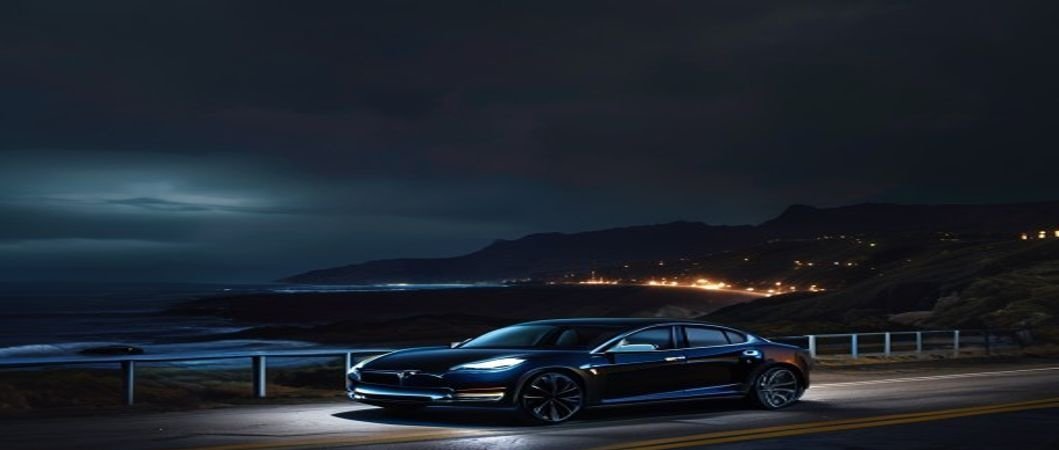
A recent incident involving a Tesla vehicle equipped with Autopilot technology has raised concerns about the safety and reliability of the system. On July 20, 2026, a Tesla Model S sedan traveling on the Pacific Coast Highway in California suddenly veered off the road and crashed into a guardrail. Fortunately, the driver and passengers escaped with minor injuries.
The incident has sparked a renewed debate about the limitations and potential risks of Autopilot technology. While Tesla has maintained that its Autopilot system is designed to assist drivers and improve safety, critics argue that it can be prone to errors and may not perform as well in certain situations. The National Highway Traffic Safety Administration (NHTSA) has launched an investigation into the incident and is reviewing data from the vehicle’s onboard systems.
Tesla has released a statement saying that it is cooperating fully with the NHTSA investigation and is committed to ensuring the safety and reliability of its vehicles. The company has also emphasized the importance of drivers remaining attentive and engaged while using Autopilot technology. As the investigation continues, attention is focused on the need for further improvements to Autopilot technology and greater transparency about its capabilities and limitations.