
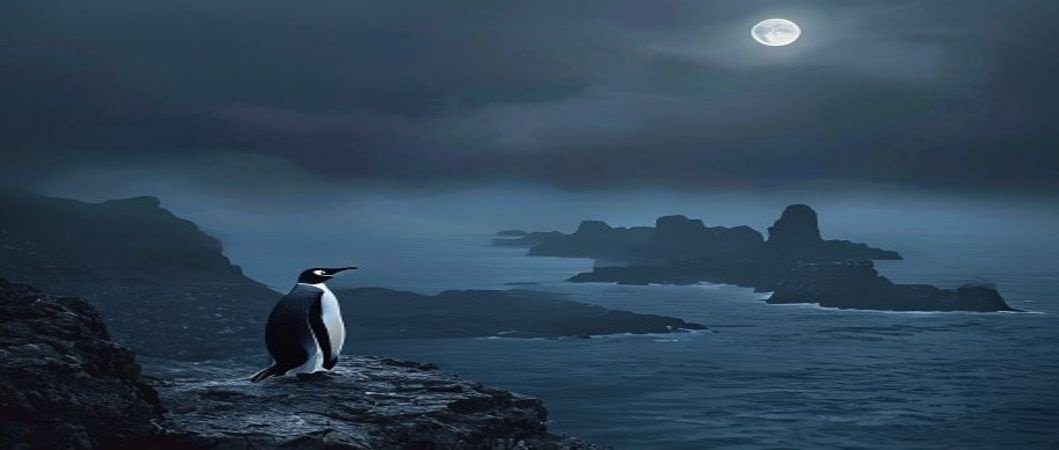
The Falkland Islands, a British Overseas Territory in the South Atlantic, have long been a topic of interest for historians, naturalists, and adventure seekers alike. Located over 300 miles off the coast of Argentina, this tiny archipelago boasts a unique blend of Scottish and Welsh heritage, shaped by its complex history and geography. The islands’ rugged landscape, featuring rolling hills, scenic coastlines, and an array of wildlife, has captivated the hearts of many, making it an attractive destination for those seeking a taste of the untamed.
The Falkland Islands’ strategic location has played a significant role in shaping its history, with the islands being a crucial stopover for whalers, sealers, and pirates in the 18th and 19th centuries. The islands’ capital, Stanley, is a charming town with a rich cultural heritage, featuring a mix of British and South American influences. Visitors to the islands can explore the town’s historic sites, including the Christ Church Cathedral and the Falkland Islands Museum, which tell the story of the islands’ history and people.
Beyond its rich history, the Falkland Islands are also renowned for their natural wonders. The islands are home to an incredible array of wildlife, including penguins, seals, and sea lions. The islands’ unique geography has also given rise to a diverse range of flora, with many species found nowhere else in the world. For nature lovers and adventure seekers, the Falkland Islands offer a unique opportunity to experience the raw beauty of the South Atlantic, making it an increasingly popular destination for eco-tourism.