
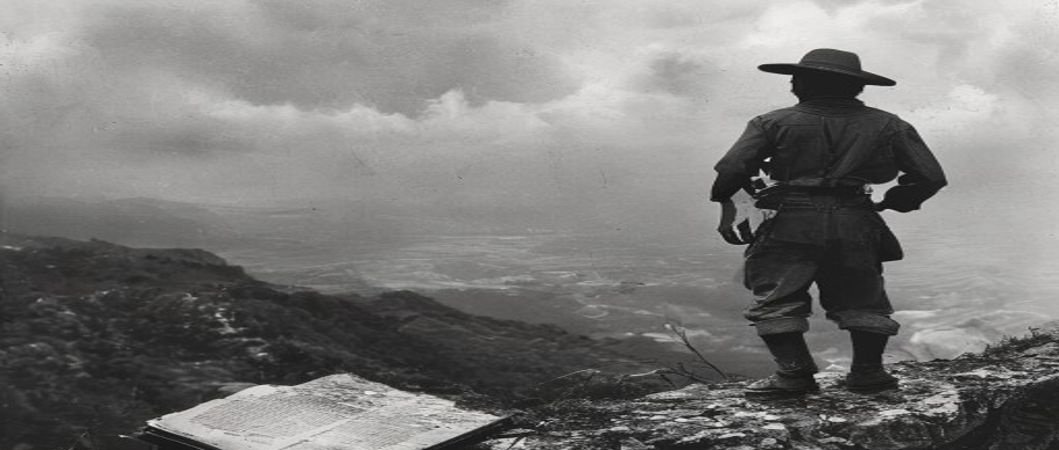
As the world continues to grapple with its complex history, Nicaragua, a country nestled in the heart of Central America, has been making headlines for its tumultuous past. With a rich cultural heritage and a resilient people, Nicaragua has been a hotbed of revolution and change. According to historians, the country’s transformation began in the early 20th century, when it was ruled by the autocratic regime of President Anastasio Somoza. The Somoza family’s iron-fisted rule lasted for over four decades, leaving a lasting impact on the country’s social and economic fabric.
The Nicaraguan Revolution of 1979, led by the Sandinista National Liberation Front (FSLN), marked a turning point in the country’s history. The revolution brought an end to Somoza’s regime and paved the way for a new era of democracy and social change. However, the aftermath of the revolution was marred by civil war and economic instability, which lasted for over a decade.
Today, Nicaragua is a country on the move, with a new generation of leaders at the helm. While the country still faces many challenges, including poverty and inequality, its people remain optimistic about their future. As one Nicaraguan resident noted, “Ang ating kasaysayan ay isang mahabang labi, pero ang aming pag-asa ay patuloy na umuusbong.” (Our history is a long grave, but our hope continues to grow.)