
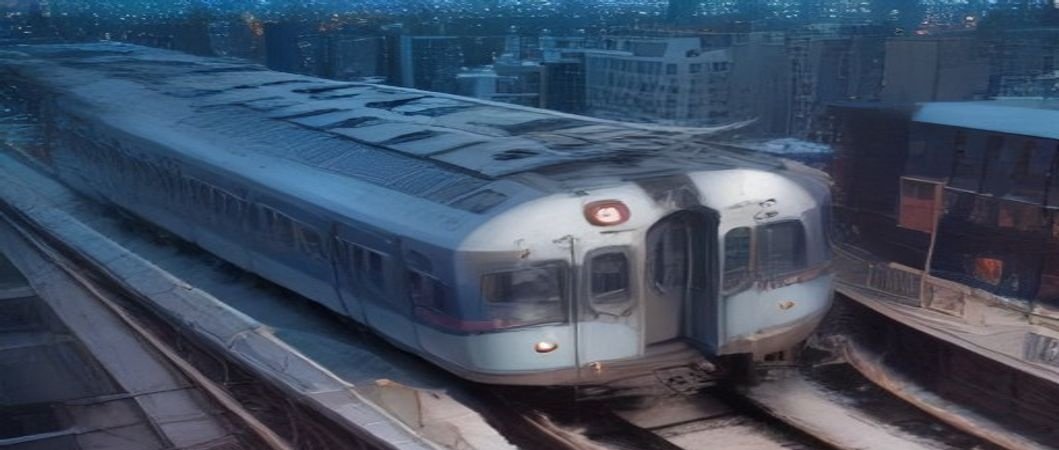
The Metropolitan Transportation Authority (MTA) has announced a comprehensive plan to modernize and expand New York City’s subway system, aiming to improve the daily commute for millions of residents and visitors. The proposal, which is expected to be implemented over the next decade, includes the introduction of new trains, upgraded signals, and enhanced station facilities. According to MTA officials, the project will not only enhance the overall travel experience but also increase the system’s capacity, reducing congestion and delays.
Key features of the plan include the deployment of state-of-the-art trains with advanced safety features, such as collision avoidance systems and improved accessibility for passengers with disabilities. Additionally, the MTA will invest in modernizing the subway’s signaling system, allowing for more efficient train movement and reduced wait times. The authority also plans to renovate and expand several stations, incorporating modern amenities and sustainable design elements. The initiative is expected to create thousands of jobs and stimulate local economic growth, while also reducing the city’s carbon footprint.
The MTA’s plan has been welcomed by city officials, business leaders, and commuters, who have long been advocating for improvements to the aging subway system. While the project’s estimated cost is substantial, the authority is confident that the benefits will far outweigh the expenses, making New York City’s subway system one of the most modern and efficient in the world. As the city continues to grow and evolve, the MTA’s commitment to revamping its infrastructure is a significant step towards creating a more sustainable, equitable, and connected urban environment.