
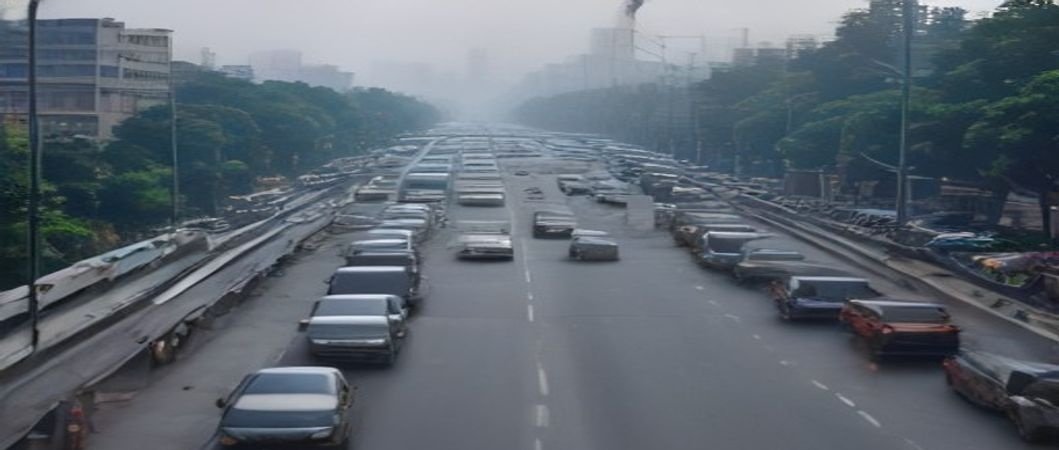
Delhi, the capital city of India, has been grappling with the issue of traffic congestion for years. The city’s rapid growth and increasing population have resulted in a significant increase in the number of vehicles on the road, leading to long commute times and gridlock. However, the Delhi government has taken a major step towards solving this problem by implementing a smart traffic management system. This cutting-edge technology uses artificial intelligence and data analytics to optimize traffic flow, reduce congestion, and make the commute experience more efficient.
The smart traffic management system, which was launched recently, uses a combination of sensors, cameras, and data analytics to monitor traffic in real-time. This data is then used to optimize traffic signal timing, reduce congestion, and provide commuters with real-time information about traffic conditions. The system also uses machine learning algorithms to predict traffic patterns and adjust traffic signal timing accordingly. This means that commuters can expect faster and more efficient journeys, with reduced travel times and lower stress levels.
The implementation of this smart traffic management system is expected to have a significant impact on the city’s economy and quality of life. By reducing commute times and increasing productivity, the system is expected to boost economic growth and improve the overall quality of life for Delhi’s residents. The system is also expected to reduce air pollution, as fewer vehicles on the road means less emissions.