
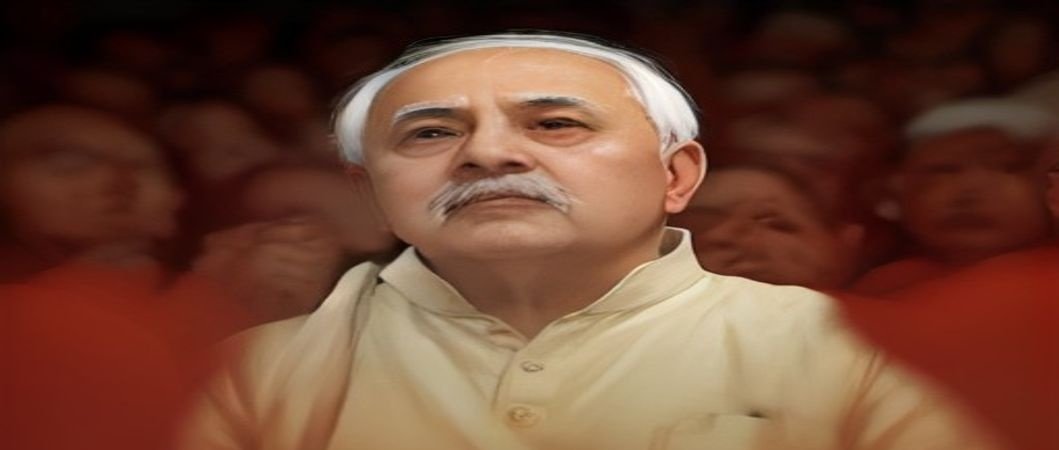
In a recent address, Rashtriya Swayamsevak Sangh (RSS) chief Mohan Bhagwat proposed several reforms within the organization, aiming to make it more inclusive and representative of modern India. Bhagwat’s suggestions, which included allowing women to become full-time RSS members and considering the inclusion of other castes, have sparked a heated debate within the RSS and the broader Indian society.
While some see these proposals as a step towards modernizing and liberalizing the RSS, others are skeptical, questioning whether these changes will fundamentally alter the organization’s ideology. The RSS has traditionally been associated with Hindu nationalism, and some are concerned that these reforms may dilute its core identity.
As the RSS continues to navigate this complex and sensitive issue, Bhagwat’s proposals will undoubtedly have far-reaching implications for the organization and its relationship with the Indian government. With the RSS playing a significant role in shaping India’s political landscape, these reforms will be closely watched by observers both within and outside the country.