
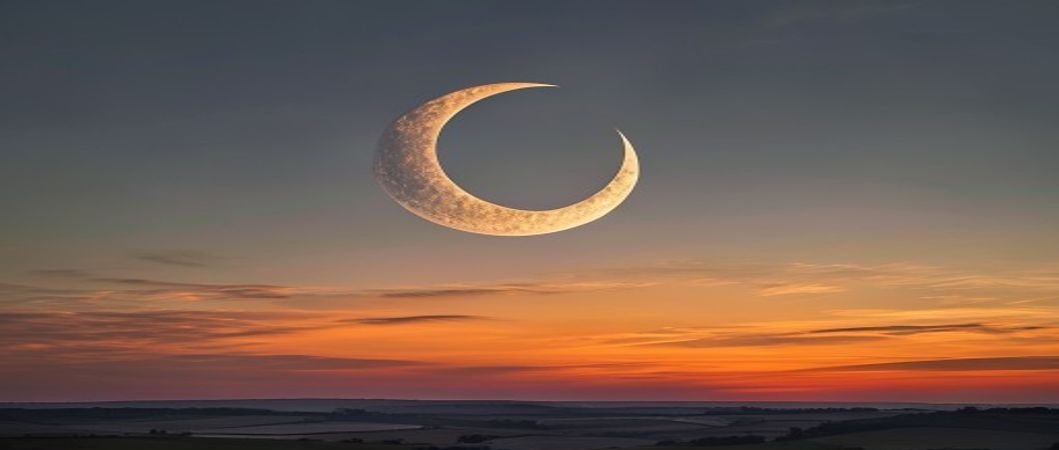
As of today, July 28, 2026, the moon is in its waning crescent phase, with approximately 10% of its visible surface illuminated by the sun. This phase is a great time for stargazing and astronomy, as the reduced moonlight allows for better visibility of the night sky. The waning crescent phase typically occurs after the last quarter moon and before the new moon, marking the final stages of the lunar cycle before it begins anew. For those interested in lunar observations, the next few nights offer a unique opportunity to witness the moon’s gradual decrease in brightness.
The lunar cycle has long been a subject of fascination in the UK, with many people tracking the moon’s phases for various reasons, including astronomical observations, spiritual practices, and even agricultural planning. The UK’s Royal Astronomical Society provides regular updates on the moon’s phases, along with information on celestial events and astronomical phenomena. As the moon continues its waning crescent phase, it will eventually disappear from view, only to reappear as a thin crescent in the western sky after sunset, marking the beginning of a new lunar cycle.
For those interested in observing the moon’s current phase, the best time to do so is during the early morning hours, just before sunrise. The moon will be low on the horizon, making it easily visible in the eastern sky. As the day progresses, the moon will rise higher in the sky, eventually becoming visible during the daytime hours. Whether you’re an avid astronomer or simply interested in the lunar cycle, the current waning crescent phase offers a unique opportunity to appreciate the beauty and complexity of our celestial companion.