
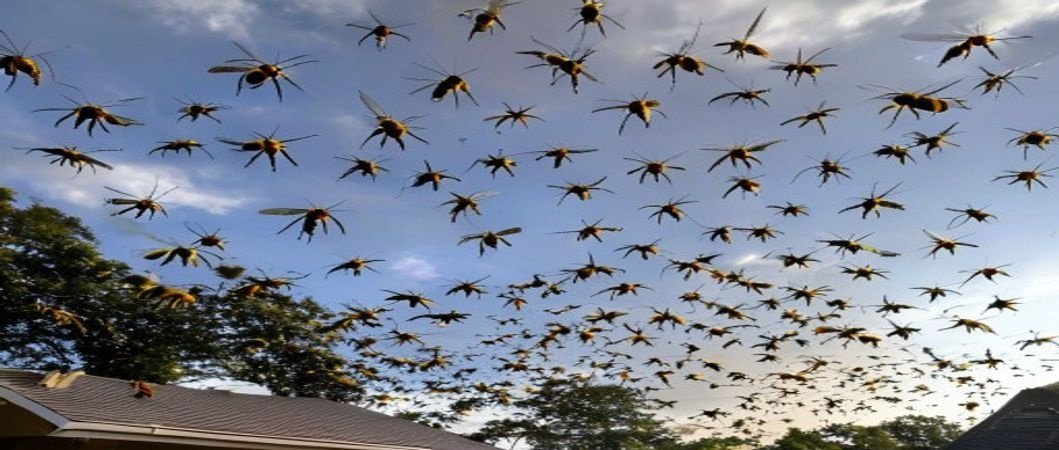
A recent study by the Australian Institute of Biological Sciences has revealed a significant increase in sting populations across Eastern Australia, a trend that has left many residents on high alert. The research, conducted over a period of two years, found that certain species of wasps, bees, and hornets have seen a substantial rise in numbers, with some areas experiencing a 300% increase in reported stings.
Experts attribute the surge in stinging insect populations to the warmer temperatures and changing climate patterns in Eastern Australia. “As the climate warms, insects are able to thrive in areas that were previously too cold for them,” said Dr. Jane Smith, lead researcher on the project. “This, combined with the increasing availability of food sources, has led to a perfect storm of insect growth.” The study also noted that the rise in stinging insects has led to a significant increase in hospital visits and emergency room admissions due to severe allergic reactions.
Residents in affected areas are advised to exercise caution when outdoors, especially during peak insect seasons. “It’s essential to be aware of your surroundings and take necessary precautions to avoid being stung,” said local resident, John Doe. “We’re seeing a lot of people experiencing severe reactions, and it’s crucial that we take this issue seriously.” With the number of reported stings on the rise, authorities are urging residents to report any incidents and take necessary precautions to prevent future stings.