
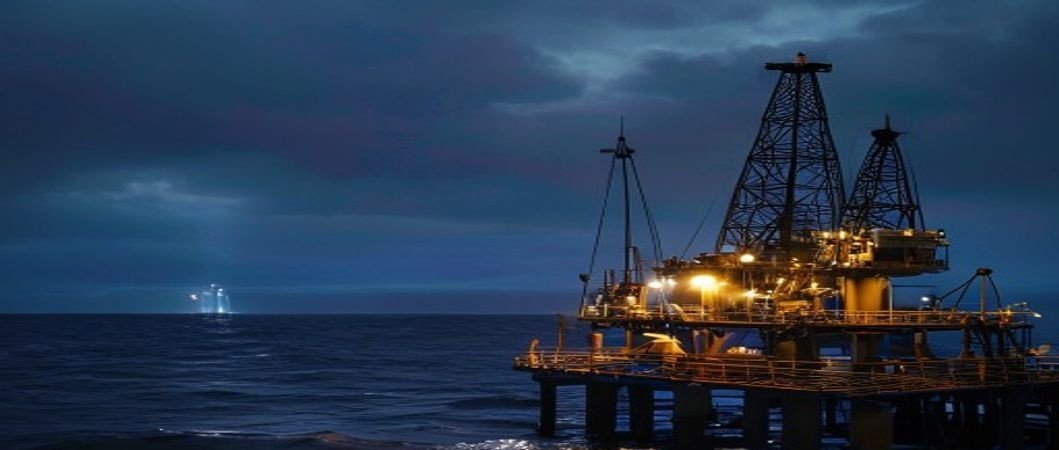
The United Kingdom’s North Sea oil reserves have been a crucial source of energy for the country since the 1970s, providing a significant contribution to the nation’s economy. However, with the increasing focus on renewable energy sources and the shift towards a more sustainable future, the long-term prospects of the North Sea oil industry remain uncertain.
According to recent reports, the UK’s North Sea oil production has been steadily declining over the past decade, with the country’s oil output dropping from 1.4 million barrels per day in 2016 to around 800,000 barrels per day in 2022. This decline has raised concerns among industry experts, who warn that the UK’s reliance on fossil fuels could pose a significant threat to the country’s energy security and its ability to meet its net-zero carbon emissions targets by 2050.
As the UK government continues to push for a transition to renewable energy sources, the future of the North Sea oil industry remains a topic of debate. While some argue that the industry still has a vital role to play in the UK’s energy mix, others believe that the time has come to start phasing out fossil fuel production in favor of cleaner, more sustainable alternatives.