
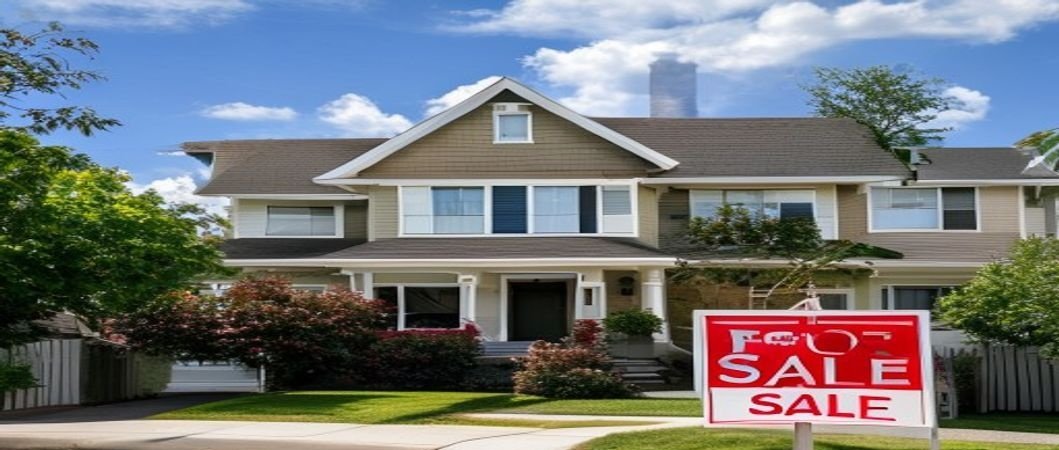
The United States housing market has been experiencing a significant shift in recent months, with home prices continuing to rise across the country. According to data from the National Association of Realtors, the median existing-home price in the US has increased by over 10% in the past year, with some areas seeing even more dramatic increases. This trend is being driven by a combination of factors, including low interest rates, a shortage of available housing stock, and a strong economy. As a result, many would-be homebuyers are finding themselves priced out of the market, while existing homeowners are seeing the value of their properties increase significantly.
The impact of this trend is being felt in communities across the US, with many residents struggling to afford housing costs. In some areas, the rise in home prices is also leading to an increase in gentrification, as wealthier buyers move into previously affordable neighborhoods. Meanwhile, the shortage of affordable housing options is becoming a major concern, with many advocates calling for increased investment in affordable housing initiatives. Despite these challenges, the US housing market is expected to continue growing in the coming months, with many experts predicting that home prices will continue to rise, albeit at a slower pace.
As the US housing market continues to evolve, it will be important for policymakers and industry leaders to prioritize affordability and accessibility. This could involve implementing policies aimed at increasing the supply of affordable housing, such as inclusionary zoning and rent control measures. Additionally, there may be opportunities for innovative solutions, such as modular housing and community land trusts, to help address the housing affordability crisis. By taking a proactive and multifaceted approach, it may be possible to create a more sustainable and equitable housing market that benefits all members of society.